

News
Staying safe during winter weather
January 23, 2026
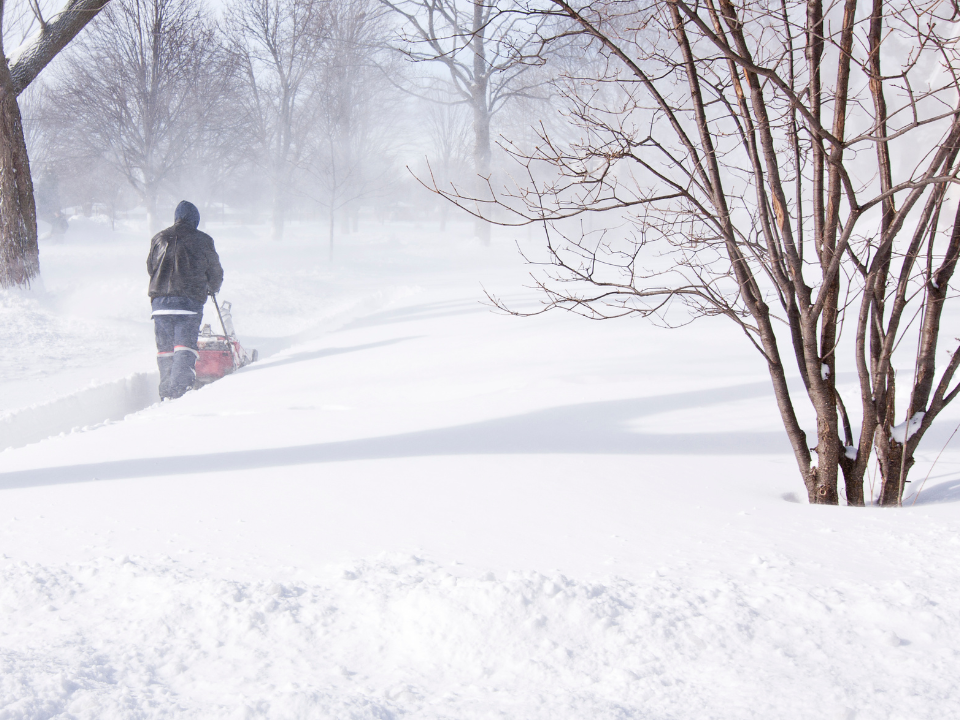
Extreme winter storms are capable of causing power outages, stranding people in their homes or cars, and creating unsafe driving and walking conditions. Older adults and people with disabilities are particularly vulnerable during extreme – or any type – of winter weather and should take extra precautions to remain safe during and after a storm.
Click here for information about local warming shelters.
Be Prepared
Older adults are encouraged to have an emergency plan and kit that will allow them to remain in place for at least three days if they are unable to safely leave their homes. A comprehensive plan and kit should include:
- A battery-operated radio, flashlight, and extra batteries for both of those items.
- Food that can be opened and prepared easily without electricity.
- One gallon of water per person, per day.
- A first-aid kit and backup supply of medications.
- Spare glasses, extra hearing aid batteries, and non-powered alternatives to assistive and medical equipment that may not work without electricity.
- A loud horn, whistle, or bell that can help first responders locate an individual in an emergency.
- The names and phone numbers of people to call for help if needed.
- A plan for where to go if it is unsafe to remain at home, and a plan for how to get there.
- Food and supplies for pets.
Older adults should also ask a reliable family member, friend or neighbor to visit or call in an emergency and agree on a plan for what they should do if they are unable to reach you.
Caregivers should plan for the possibility that they will not be able to physically be with their loved ones – or that their loved ones may need to leave their home for safety – by doing the following:
- Know the locations of nearby emergency shelters and have a plan for getting your loved one there, especially if you don’t feel safe driving.
- Identify trusted neighbors or nearby individuals who can act as backup caregivers in a crisis.
- Let your backup caregiver know about your loved one’s condition and how to communicate with them effectively.
- Store a recent photo of your loved one and copies of their medical documents on your phone to share with first responders, if needed.
Check Your Neighbor
Checking in on older friends, relatives and neighbors during severe weather helps them feel connected and gives you an opportunity to spot potential issues and help them get assistance if they need it.
You can check in on an older loved one or neighbor by telephone, text message, email, video call, or in-person if it is safe to travel.
- Check their home: Is the temperature comfortable? Are they heating it safely? Is there any damage to their home? Are outdoor walkways clear of snow, ice, and debris?
- Check their health: Do they appear alert and aware? Have they fallen? Are they taking their medications as prescribed? Do they need medical attention?
- Check that their daily needs are being met: Do they have safe food and water? Are they able to do what they need to do? Do they have someone to call for support and a reliable way to call for emergency help if they need it?
Other Winter Safety Tips for Older Adults and Caregivers
- Know the difference between winter storm watches and warnings.
- Update phone numbers for local emergency officials, as well as nearby family, friends and neighbors. Stay in contact with family during severe winter weather.
- If you have home health care service, plan ahead with your agency for emergency procedures.
- Have your car winterized before the first snowfall.
- Put an ice scraper in your car. Also check your wipers and wiper fluid. You may want to have an extra gallon of cold weather formula wiper fluid on hand in your car or garage.
- Check appliances, furnaces, portable heaters and fireplaces before using them for the first time. Keep all heat sources and vents clear of clutter. Never leave portable heaters unattended.
- Keep fire extinguishers on hand and make sure everyone knows how to use them.
- Check batteries in portable radios, flashlights, smoke alarms and carbon monoxide detectors. Make sure smoke alarms and carbon monoxide detectors are installed and working on every floor in your home.
- With winter comes shorter, darker days. Consider putting entry or garage lights on a timer or light sensor so they come on as soon as it gets dark each day. Inexpensive adapters are easy to install and can be purchased from your local home center. Keep your home well lit by installing the maximum wattage bulbs allowed for your indoor light fixtures. Keep extra light bulbs on hand.
Additional Resources:
- Emergency Preparedness: www.aging.ohio.gov/beprepared
- Winter Safety: www.aging.ohio.gov/wintersafety
- Check Your Neighbor: www.aging.ohio.gov/checkyourneighbor
- Falls Prevention Tips: https://aging.ohio.gov/care-and-living/health-and-safety/fall-prevention
- Ohio Department of Public Safety on Twitter/X: https://twitter.com/OHPublicSafety
- Ohio Emergency Management Agency on Twitter/X: https://twitter.com/Ohio_EMA