
News
Through ESP, neighbors help neighbors get the support they need
April 8, 2026
The old adage, “it takes a village,” is often used when referring to childrearing, but the saying also applies to looking out for neighbors as we age.
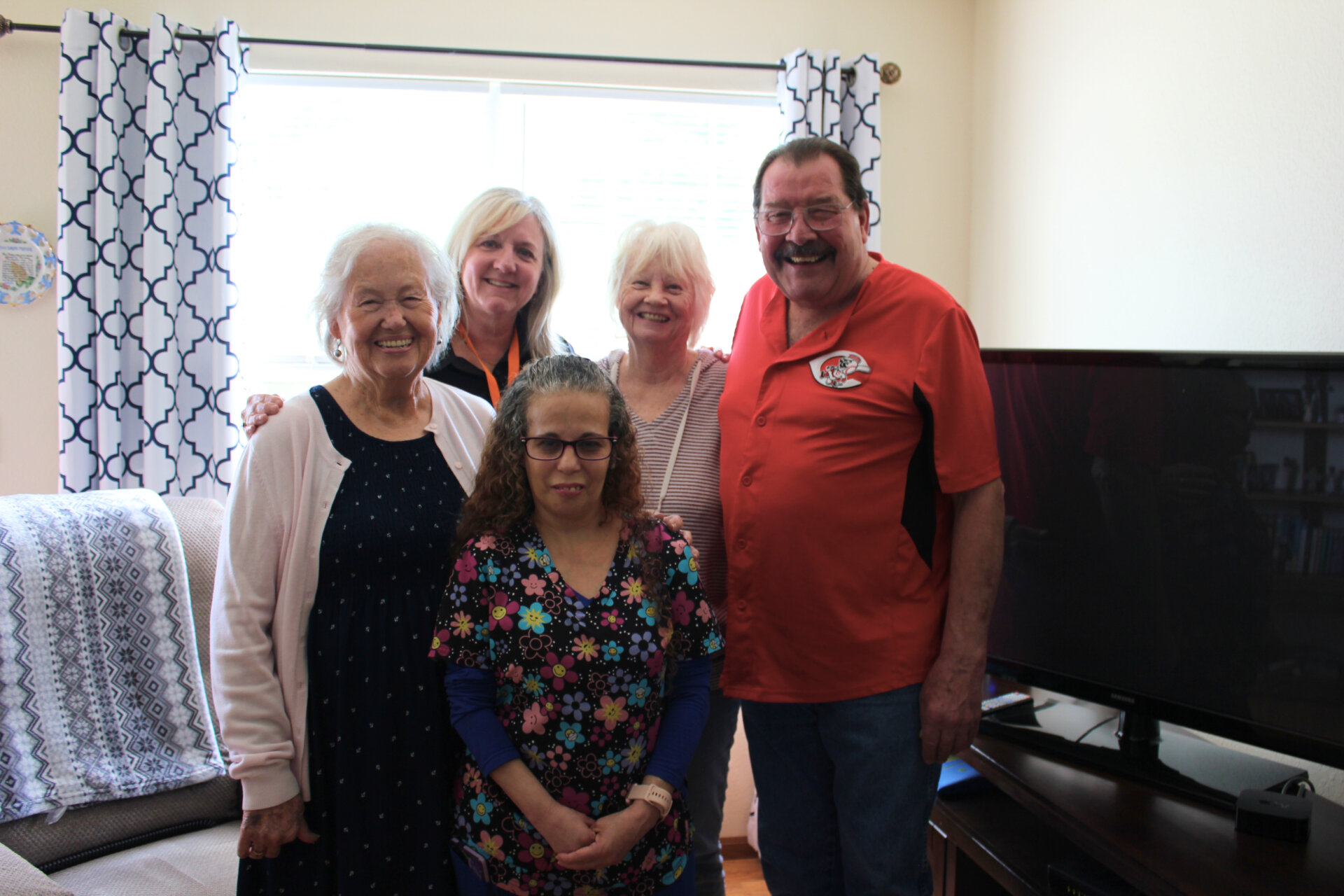
That’s what is happening in a small senior living community in Wilmington where Ruth Ann, 87, helps several of her neighbors, including Linda and Tim, get home care assistance help through Clinton County ESP. Ruth Ann and her friends are using a unique feature of the program called consumer directed care (CDC).
Here’s how it works: Instead of using a home care agency, clients like Ruth Ann can become an “employer” and hire their own “employee” to provide certain authorized services, which are paid for by ESP. CDC increases independence and program satisfaction for clients, while using ESP resources more effectively.
Ruth Ann’s ESP care manager, Carla, told her about this option and also recommended someone she could hire – Helen, an aide who was already providing care for other ESP clients.
“I always recommend to my clients that they interview an aide before they hire them,” said Carla. “It’s important to make sure the match is a good fit for both parties.”
Ruth Ann met with Helen and the women decided it was a good fit. As Helen’s employer, Ruth Ann sets her own care schedule, monitors Helen’s work and then reviews and approves her timecards through an online system. She received training on the system before Helen started working.
The help is important to Ruth Ann’s quality of life because she has a heart condition which makes it difficult to manage everyday tasks on her own. And, she no longer drives. Helen helps with cleaning and drives Ruth Ann to appointments, to the grocery store and to pick up prescriptions.
“She cleans like a tornado,” Ruth Ann said. “Helen comes in and has a plan. She doesn’t need help or direction. She just gets it done.”
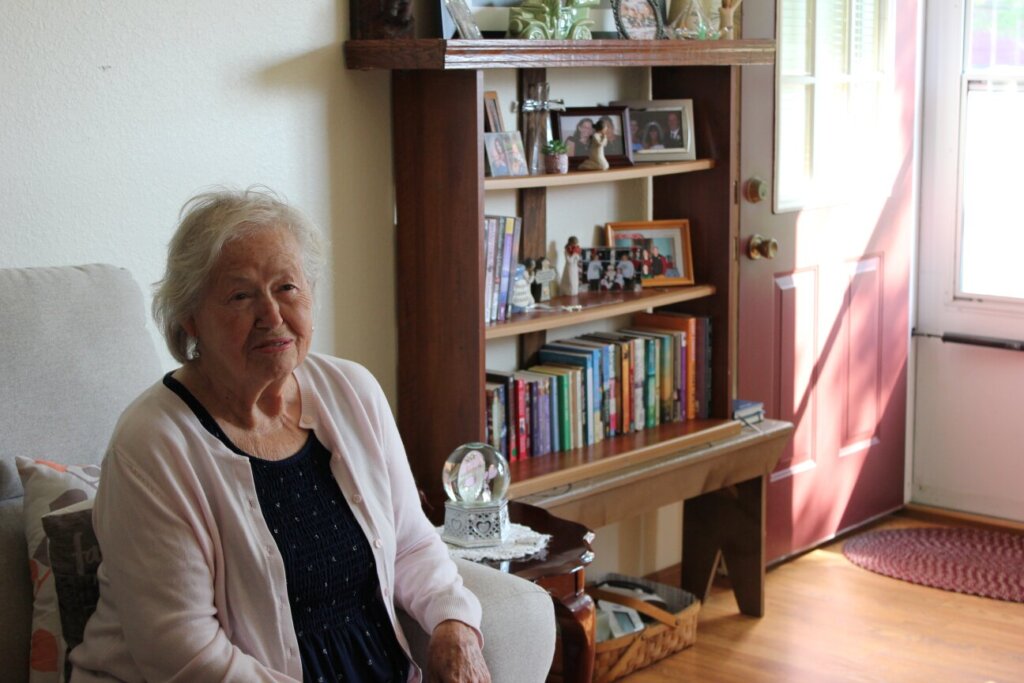
“Seniors need all the help they can get. We have to have this program for us. We have to.”
Ruth Ann, ESP client
CDC employees like Helen can provide care to more than one ESP client. Ruth Ann was so pleased with Helen’s work ethic and results, she decided to introduce her to a few neighbors in the community.
Tim, 74, had been managing chores like housekeeping, on his own, until he hurt his back cleaning his shower. He also has COPD, so everyday tasks can easily tire him out. His sister suggested he inquire about ESP.
Tim enrolled and received home care assistance through a home health agency. But, during a conversation at the mailbox, Tim shared with Ruth Ann that he would be losing his home care worker.
“Ruth Ann introduced me to Helen, and we went from there,” said Tim. “If somebody tried to take her away, I’d fight them.”
Tim said he could not do the cleaning without help. “[Helen] goes the extra mile.”
Another neighbor, Linda, had enrolled in ESP after chores like vacuuming became too difficult to manage on her own. “I’m 81 years old. It caught up with me!”
After enrolling in ESP, Linda had a difficult time finding a home care worker who could meet her needs. Ruth Ann introduced her to Helen and in her words, her house has “sparkled” ever since.
CDC allows clients who use the service to designate someone to manage their employee on their behalf. Ruth Ann, who is more tech savvy than her friends, takes on this task for Linda, Tim and several other neighbors in the community.
Ruth Ann, Tim and Linda all use words like fabulous, honest and respectful to describe Helen and her work ethic. They also agree that their “village,” including Helen, their care manager Carla, and ESP in general, all make a big difference in their quality of life and ability to live independently.
For Helen, the work is personal. She is the primary caregiver for her adult son and appreciates that she has control over her schedule. She also understands the value of the support she provides and takes pride in work.
“I love my job,” Helen said. “You have to love your job so you can get up and go to work every day. For me, I don’t treat [my clients] as clients – I treat them like my family.”
ESP is funded by the county’s senior services tax levy, which must be approved by voters every few years to continue. The program helped more than 640 eligible older adults in the county access services that help them remain independent in their homes and communities in 2025. Later in 2026, county voters will likely be asked to renew the existing levy, so Ruth Ann, Linda, Tim and hundreds of others can continue receiving services through the program.
Asked what they would tell people about ESP and the senior services levy, they had this to say:
“As far as Council on Aging goes, it’s really been a blessing for older people to have [ESP] because, you know, you just kind of get lost in your life when you’re this age,” Ruth Ann said. “You have to sit here and do nothing. When you’ve got Council on Aging working with you, you’ve got people coming and going. They bring the meals, they clean the house, they take you places. So, you’re always around people. When you’re almost 90 years old, you need somebody.”
“I agree 100%,” said Tim. “Without these services, we would really be hurting. The help that they provide and the services – we can’t do without them.”