2025 Hamilton County ESP Annual Report
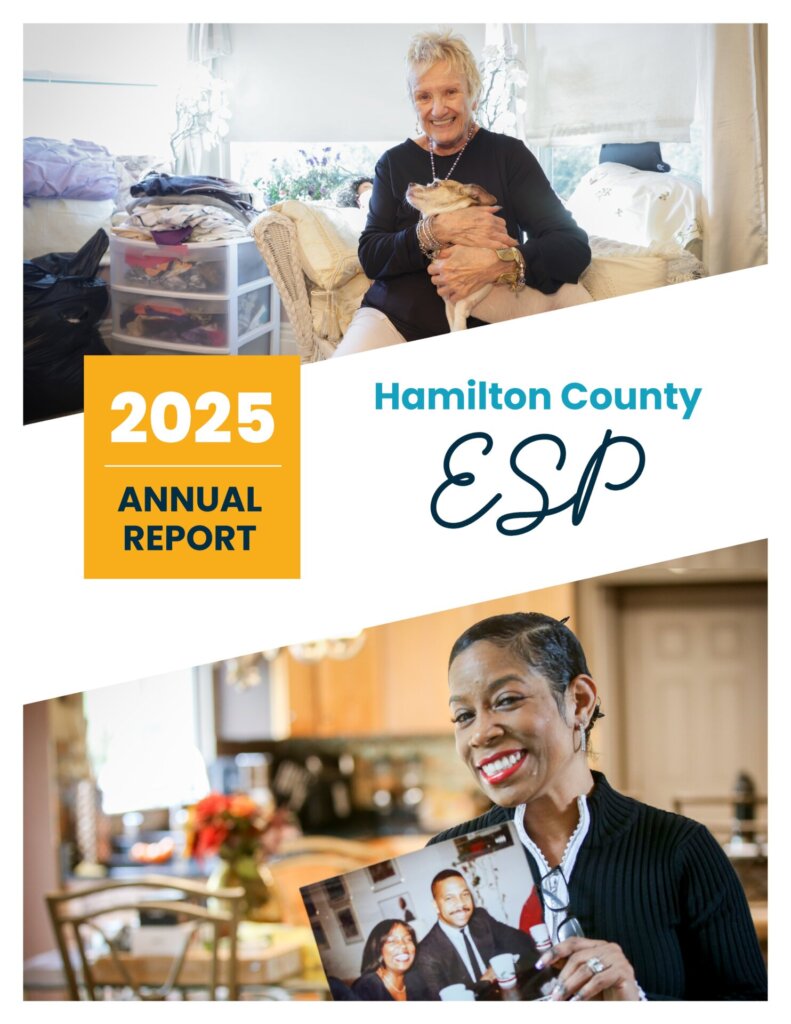
Below are the full success and client stories from the 2025 Hamilton County ESP Annual Report. These stories illustrate the impact ESP has on older adults and caregivers in the county.
Click here to view the 2025 annual report. To request a paper copy, email us.
Success Stories
Juanita doesn’t like to sit still. She worked on her feet in distribution for LensCrafters for 21 years before retiring about 10 years ago. “I like the action. I don’t like to sit down all day,” she said.
Participating in Bingocize helped the widow, 71, keep moving. The workshop is one of Council on Aging’s (COA) free health and wellness workshops for older adults. Bingocize combines Bingo with health education. “I loved the class, I loved the exercise,” Juanita said. But she admitted her favorite part was when she got to call out “Bingo!”
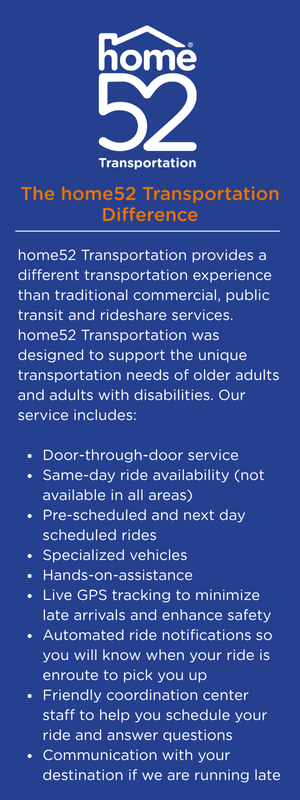
She also enjoyed the no-cost rides to Bingocize provided by home52 Transportation, a service operated by COA subsidiary home52 that provides same-day and advance-scheduled transportation for riders who need specialized transportation services. Juanita’s rides to and from Bingocize were funded by a grant that home52 Transportation received to help older adults and those with disabilities to remain independent and combat isolation.
Juanita had to put Bingocize on the backburner in June 2025, when she suddenly found herself in the hospital, receiving treatment for kidney disease and heart problems she didn’t previously know she had.
Fortunately, Juanita had enrolled in Hamilton County ESP in 2023 when several known conditions had put her at risk for falls. Services including home-delivered meals, housekeeping assistance and an emergency response system, helped her maintain her independence.
But when she arrived home from the hospital in 2025, she found that getting around was even more challenging than before. She already used a cane for balance, but “because of swelling, I had to wrap my legs so I couldn’t drive. I did not like that, boy I did not like that,” she said.
ESP is flexible and care managers monitor clients, making changes to their care plans as their needs change. Juanita’s care manager, Kristy, procured a lift chair that she now uses to elevate her legs to prevent swelling. She is extremely enthusiastic about the lift chair, which has become her favorite place to relax at home, and is equally enthusiastic about the transportation services she receives as an ESP client. “The transportation is a lifesaver for me,” Juanita said. “Without it, I’d be in trouble.”
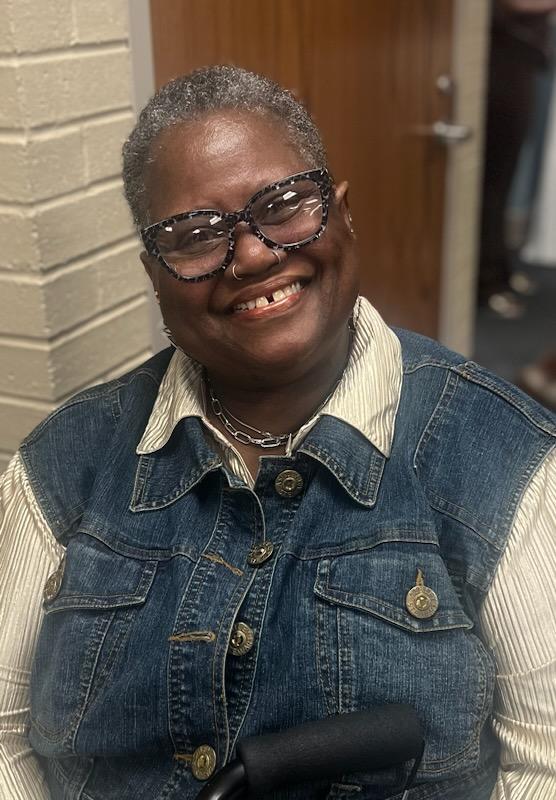
“The transportation is a lifesaver for me. Without it, I’d be in trouble.”
Juanita
In addition to providing no-cost, grant-funded rides for those who qualify, home52 Transportation is the transportation provider for Hamilton County ESP clients who qualify, like Juanita. She uses the service for essential errands like getting to and from medical appointments, the grocery store and the laundromat.
Some children and grandchildren who live nearby help Juanita as much as possible, but they have jobs and other commitments and aren’t always available to drive her places. “This is really helping my family out too. I don’t know what they would do without these rides,” she said.
In addition to no-cost, grant-funded rides that are available to those in Hamilton and Clermont counties who qualify, home52 Transportation provides transportation for eligible clients of community partners such as Clermont County Job and Family Services and several hospital systems and medical providers. A private-pay option is available for those who don’t qualify for free service.
STEPS to Stability, a program created by Council on Aging in 2024, helps address common, one-time needs that can impact older adults’ ability to remain independent. It meets needs that cannot be addressed by other programs and funding sources. In 2025, via the senior services levy, grants and ARPA funding provided by Hamilton County, the program provided nearly $2 million in assistance to more than 2,000 individuals for home repairs and modifications and utility assistance. Pat, from Roselawn, received a new furnace through the program. “I was so grateful to be warm this winter,” she said.
After two years of study and a successful pilot, Council on Aging (COA) introduced a new cost sharing model for Hamilton County ESP in 2025, with the goal of simplified predictable billing and payment for clients who live on a fixed income and better reflecting the financial realities of older adults.
Cost sharing has always been part of ESP, with 100% of cost share payments reinvested into the program, enabling it to serve more individuals. The cost sharing income is an important revenue source for the program to continue providing services to a growing population with increasing needs.
Under the previous model, cost sharing was calculated as a percentage of actual monthly service costs for each client. Income, assets and out of pocket medical expenses were included in the calculation. This resulted in fluctuating monthly bills for clients, driven largely by changes in service use and provider billing cycles.
The model also failed to consider key financial factors such as housing costs. Meanwhile, medical expenses were fully deductible, requiring extensive documentation even though only a small percentage of clients qualified for this deduction.
“These fluctuations and complexities made it hard for older adults on fixed incomes to plan,” said Ken Wilson, COA’s chief program officer. “It also created administrative challenges that took time away from client care.”
COA worked with the Livewell Collaborative to identify areas for improvement in the model. The new model incorporates streamlined steps and improved calculation methodology to ensure a proper cost share amount based on a client’s economic means to contribute towards the cost of the services they are receiving.
The new model replaces percentage-based monthly fluctuations with a flat, predictable monthly cost share amount set at enrollment. A new tool allows case managers to calculate the cost share in real time, reducing back and forth with clients.
The flat monthly payment is not based on the client receiving 100% of their scheduled services. Rather, it accounts for fluctuations that typically occur in a client’s care, such as missed appointments due to illness, hospitalizations or provider staffing.
If a client’s service needs, income or assets change significantly during the course of their enrollment, cost sharing payments are reevaluated to reflect those changes.
A pilot of the new cost sharing model demonstrated notable improvements. The percentage of clients contributing to cost share rose from 26% to 46%, while the average monthly amount collected increased from $56.15 to $114.46. Asset adjustments—which more accurately reflect ability to pay—increased from 2% to 11%.
At the same time, deductions for excessive medical and housing costs became more targeted, affecting only clients with significant burdens. Approximately 10% of applicants qualified for a housing hardship deduction, and 7% qualified for medical expense considerations under the pilot.
The new model provides:
- Predictable monthly costs for clients – a benefit for older adults living on fixed incomes – and higher cost share revenue to reinvest into ESP services, allowing the program to serve more people.
- More equitable treatment that accounts for housing costs, health expenses and financial resources.
- Reduced administrative burden for clients and staff through streamlined processes and fewer requests for medical receipts and documentation.
The new model went into effect in all counties on Oct. 1, 2025. More than 1,200 ESP clients across Butler, Hamilton, Warren and Clinton counties were transitioned to fixed cost share amounts based on their payment history.
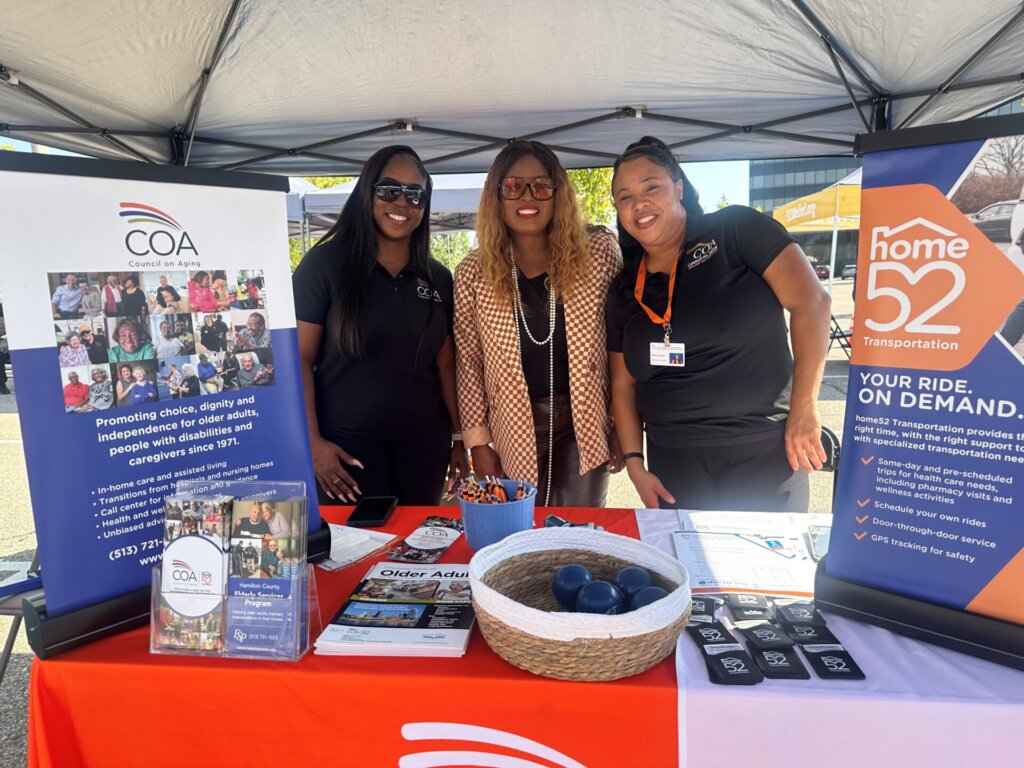
Since 2023, staff from Council on Aging’s Aging and Disability Resource Center have been traveling the county on the 513Relief Bus, connecting older adults to programs, services and supports that can help them remain independent in their homes and communities. The bus – a mobile medical and social services bus – is an outgrowth of 513Relief.org, created by Hamilton County Commissioner Alicia Reece during the pandemic. In 2025, COA staff were on the bus 44 times – including at a special September event focused exclusively on older adults and caregivers – with hundreds of older adults receiving referrals or connections to community resources.
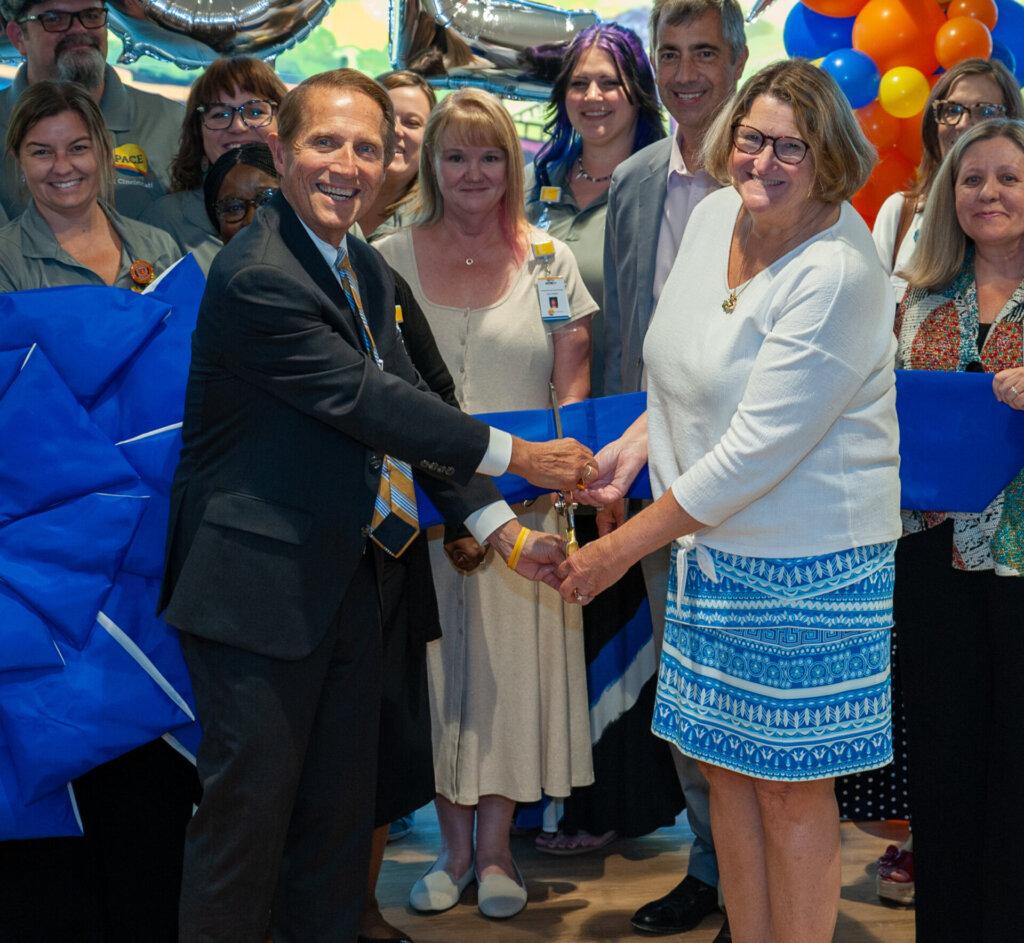
In 2023, when the state of Ohio announced its intention to expand the PACE (Program of All-inclusive Care for the Elderly) model of care to new regions in the state, Council on Aging partnered with TriHealth to submit a proposal to bring PACE to Hamilton County. As a result, PACE of Cincinnati – the only PACE program in the state built on a partnership between a local health care system and an Area Agency on Aging – launched Sept. 1, 2025. This new option strengthens Hamilton County’s continuum of care, providing another option when older adults are not eligible for or can no longer have all their needs met by ESP. In 2025, seven ESP clients transferred to PACE of Cincinnati due to increased care needs.
“What is happening here?” That question has run through Kris’s mind many times recently as life threw her curve ball after curve ball.
Her stepmother, Marchita, was diagnosed with cancer, and then her father, Leon, passed away unexpectedly, followed shortly after by Marchita’s passing. Kris’s world was turned upside down. In the midst of the turmoil, however, she turned to Council on Aging (COA) for help.
In 2022, caring for her stepmother, Marchita, at home became too much for her father, Leon. Kris lived nearby and wanted to help but knew she couldn’t do it alone. “My dad wanted to keep [Marchita] at home. They had a beautiful home and she loved being there.”
COA’s FastTrack Home program provided transportation, home-delivered meals and most importantly, an outlet for Kris.
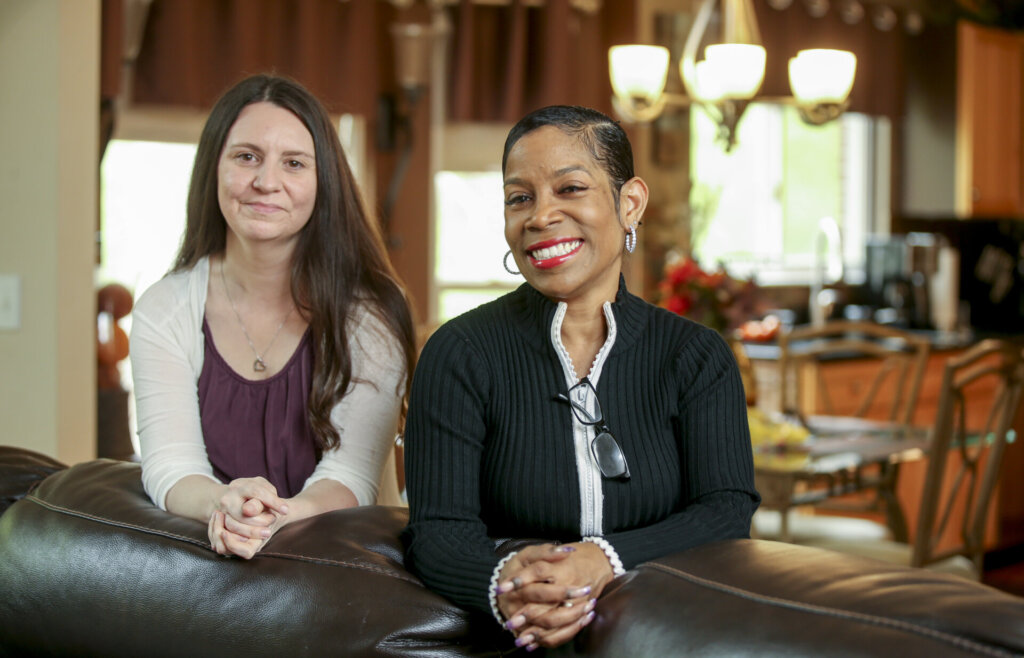
“As a nurse practitioner, I know how to do a lot, but I’m only one person. With COA on board, I didn’t have to be the advocate and I wasn’t the only caregiver; we had that with COA. As a caregiver, it doesn’t matter if you’re a professional, you feel like you’re carrying the weight of all the decisions and resources. To know I could call COA to help keep us as normal as we could be, to bounce things off of…that was a blessing.”
Kris
Over the next two years, COA helped Kris and her family navigate a less-than-ideal situation. After her FastTrack Home services ended, Marchita transitioned to Hamilton County ESP. She was assigned a care manager, Lori (pictured with Kris above), and began receiving home-delivered meals and referrals to community resources.
COA’s support meant the world to Kris. “Because we had COA, I got a break – I was able to be the daughter.”
Then it was determined that Leon needed surgery. A plan was formulated: Marchita would live temporarily in a nursing home while Kris’s dad recovered from surgery with support from COA.
But the day before the plan went into motion, Leon died unexpectedly.
With her father’s sudden death, Kris was grieving and overwhelmed with needing to provide support for Marchita, who now required 24/7 care. Lori provided resources for Kris to find housing options for Marchita, as well as referrals to other community resources.
“It was a horrible situation, but I hold onto the good things – and COA was a good thing,” Kris says with a smile. “COA gave us two years that I didn’t think they had – and my father and Marchita were together, like they wanted to be.”

AddnAide, an innovative platform created by COA-subsidiary home52 to connect older adults who need in-home care with community members who can provide it, was the Gold winner in the Homegrown category of McKnight’s Excellence in Technology Awards. McKnight’s long-running awards program honors providers and marketplace players that demonstrate how technology has improved care and operations. In 2025, 77 Hamilton County ESP clients used AddnAide to connect with community-based caregivers to help them remain independent in their homes.